
Wildfire season is rough on Los Angeles homes. When those fires start burning, smoke just hangs around for days, and those tiny particles can sneak past your regular air filter and mess with your HVAC system. Here’s what you need to know to protect your family and your equipment.( Smoke Protection )
How Wildfire Smoke Gets Into Your House
Smoke is sneaky it’ll find a way in no matter what. Sure, it comes through windows and doors when you open them, but it also slips through tiny cracks around frames and anywhere else it can find a gap. What’s worse? Your HVAC system can actually suck contaminated air in through loose spots in your ductwork.
Your standard air filter does a decent job catching the big stuff, like dust and pet hair. But smoke particles? They’re way smaller, we’re talking less than 2.5 microns. Most basic filters just let them cruise right through.
How to Tell Your Air Filter Needs Help
During fire season, you’ve got to check your filter way more often than usual. All that smoke clogs things up fast. If your filter looks gray or brown instead of white, it’s done. And if you’re not getting much air from your vents, that’s another dead giveaway.
When your filter gets clogged, your system has to work overtime. Don’t be surprised if your energy bills jump during smoky times. And if you’re smelling weird odors coming from your vents, that means particles are getting past your filter completely.
Better Filters for Smoke Season
MERV ratings tell you how good your filter is at catching stuff. Basic filters are MERV 1-4, and honestly, they’re pretty useless against smoke. MERV 8-12 filters do better with smaller particles but still let some smoke through.
Now, MERV 13-16 filters, that’s where things get interesting. These can trap particles down to 0.3 microns, so they’re way better for smoke protection. Yeah, they cost more, but during fire season? Worth it.
HEPA filters are the gold standard – they’ll catch 99.97% of particles 0.3 microns or bigger. But here’s the thing: check with a pro before you install one. Some systems need tweaks to handle all that extra resistance.
When to Swap Out Filters During Fire Season
Forget your normal replacement schedule when there’s heavy smoke. Your regular filter might need changing every week instead of every month. Even the high-end filters need swapping more often than usual.
Here’s a quick test: hold your filter up to the light. If barely any light gets through, you’re good. If it looks completely blocked? Time for a new one, immediately.
Keeping Your HVAC System Safe
All that smoke really beats up your equipment. Your fan has to work harder pushing air through dirty filters, motors can overheat, and your coils get gunked up and lose efficiency.
Keep everything sealed up tight during smoke events – windows, doors, the works. If your system has a recirculate mode, use it. This cuts down on how much outside air you’re pulling in. And definitely change those filters more than you normally would.
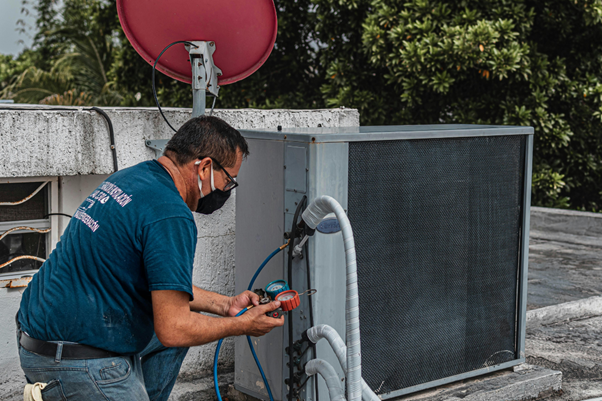
After a big smoke event, get a professional to check things out. Expert HVAC installation Los Angeles techs know what to look for – they’ll inspect your fan motors, coils, and ductwork for all that particle buildup.
Other Ways to Clean Your Air
Air filters are just part of the picture. Seal up gaps around windows and doors with weatherstripping. Check your attic and basement for air leaks too – even tiny openings let smoke sneak in.
Portable air cleaners are a great backup. Stick them in bedrooms and wherever you spend the most time. Get ones with HEPA filters if you can.
When things get really bad, set up a clean air room. Pick a room with the fewest windows, seal any gaps with tape, and run a portable air cleaner nonstop in there.
Bottom Line
Wildfire smoke is tough on home air systems. Regular filters just aren’t built to handle those tiny smoke particles. Upgrading to better filters and checking them way more often keeps your family breathing easier. And getting a pro to check your system after smoke events? That’ll keep everything running smoothly for years to come.


